
Roofing Materials
Best Roof for San Fernando Valley Heat
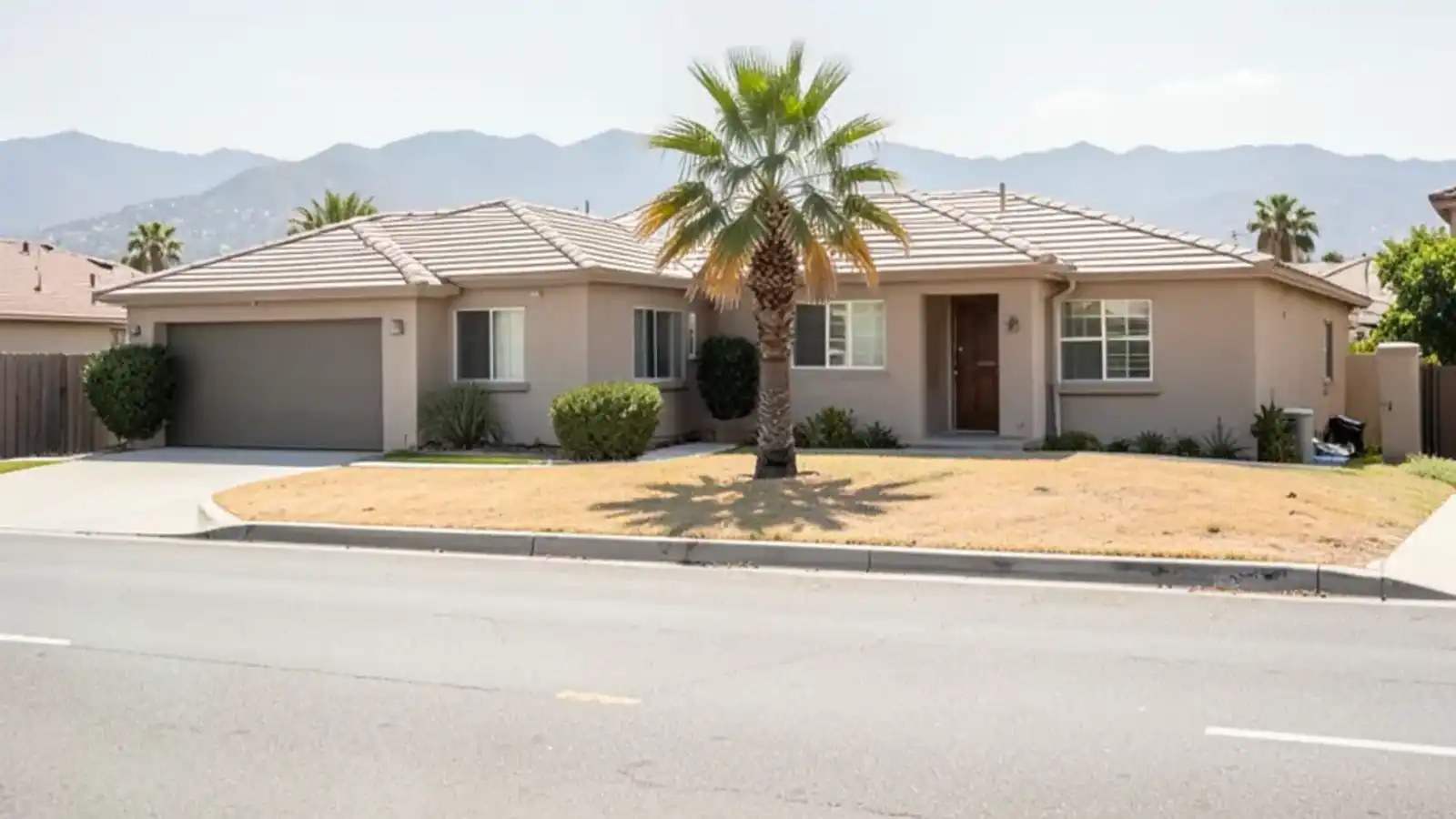
For San Fernando Valley heat, a cool-rated roof in a lighter color usually does the most, whether it is shingle, tile or metal. The Valley bakes far longer than the coast, and the right choice depends on your slope, attic and budget. Ventilation and underlayment decide how well any material holds up.
- ★ 4.9 on Google · 69 reviews
- Same-day or next-day bookings
- Based in Van Nuys, CA
Published and updated November 3, 2026 · By the Clear Shield Roofers team, Van Nuys, CA
On this page
- How the main roof types handle Valley heat
- What "cool" means on a roof
- The attic matters as much as the surface
- Do radiant barriers and attic insulation help a hot Valley roof?
- What heat does to a roof over the years
- Choosing a roof for hot, dry Valley summers
- What working roofers weigh about Valley heat
- Next steps for a hot San Fernando Valley roof
- Common questions
Heat is the Valley's signature roofing problem. By NOAA's 1991-2020 normals, Van Nuys sees about 77 days a year at 90°F or hotter. Downtown Los Angeles sees about 26, and LAX about 5. The same shingle can age faster in Van Nuys than a few miles from the ocean.
So the best roof for Valley heat is not one material. It is the combination of a cool-rated surface, an underlayment suited to the heat and an attic that can breathe. Our roofing materials pages compare each material, and cool roofing explains the rating system.
How the main roof types handle Valley heat
Every material has a trade. This table compares them in plain terms, not as rankings.
| Roof type | How it deals with heat | Watch for |
|---|---|---|
| Asphalt shingle, cool-rated | Reflective granules and lighter colors lower surface heat | Granule loss and curling when old |
| Concrete or clay tile | Dense, with an air gap under the tile | Weight, and aging underlayment |
| Standing seam metal | Reflective finishes shed sun quickly | Expansion, noise and cost |
| Low-slope cool membrane or coating | Light surface reflects sun on flat sections | Ponding and seam wear |
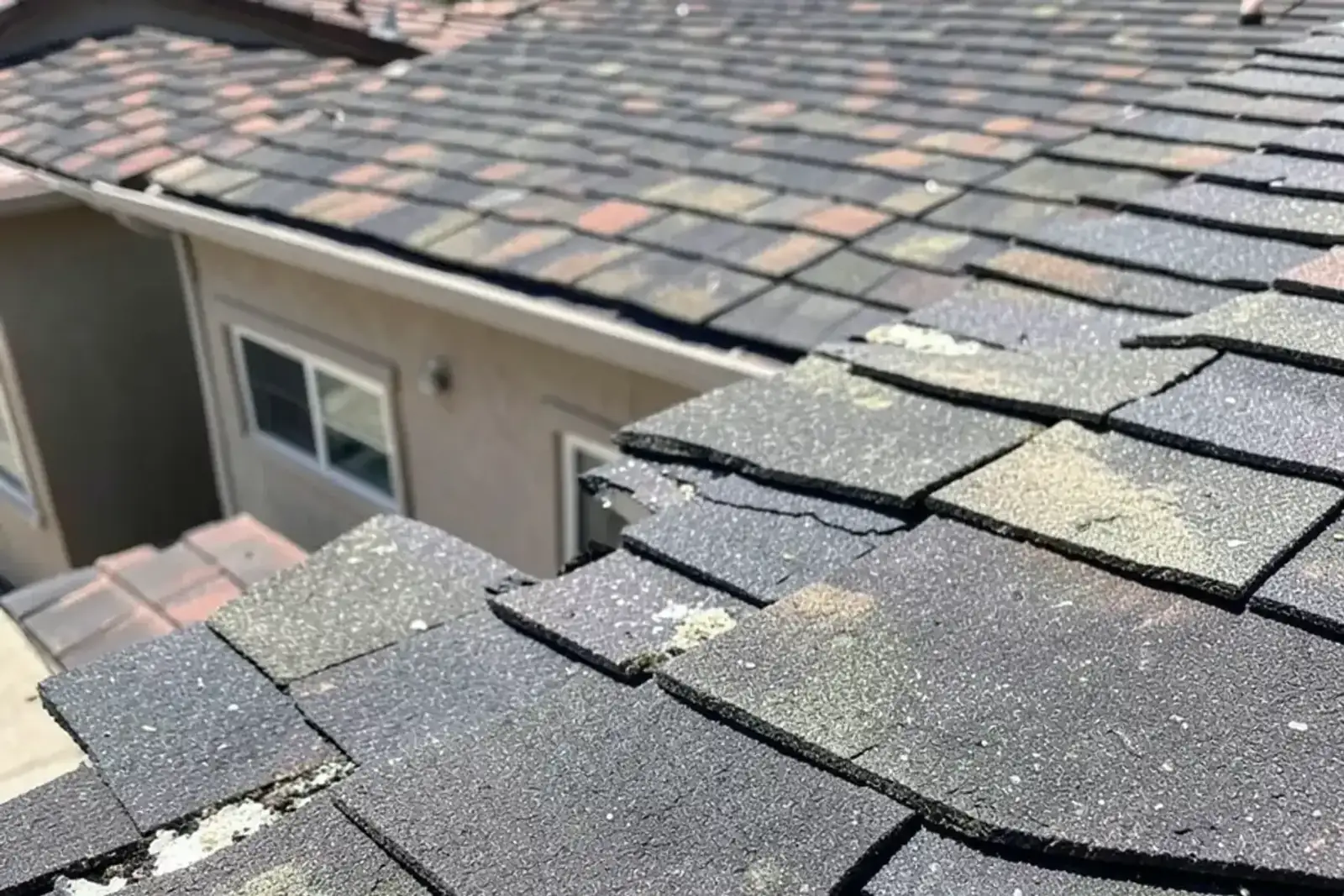
Lifespans vary a lot with installation, slope and attic, and the manufacturer's rated life governs. Many asphalt shingle roofs in hot inland areas wear out earlier than the same roof near the coast.
What "cool" means on a roof
A cool roof is one with a rating from the Cool Roof Rating Council for how much sunlight it reflects and how much heat it releases. A higher-rated product runs cooler in the sun. Light colors tend to do better, but the rating is the proof, so ask for the product's CRRC listing.
There is also a rules angle. Roof replacements in Los Angeles covering more than half the roof must use a cool-rated product, and rules depend on slope and climate zone. Our Title 24 cool roof guide explains how the trigger works, and the California Energy Commission's lookup finds your zone.
LADWP residential customers may qualify for a cool roof rebate of $0.20 to $0.60 per square foot, depending on the product's rating tier. Funding is limited, so check ladwp.com/crp. It applies to LADWP customers only.
The attic matters as much as the surface
A roof is a system. A pale surface helps, but if the attic traps heat, the underlayment and the decking still cook from below. Valley attics can run far hotter than the air outside, and that heat softens adhesives, dries out sealants and warms the rooms beneath.
Good airflow means air entering low at the soffits and leaving high at the ridge. A blocked soffit vent or a poorly placed roof vent defeats that flow. One Van Nuys customer says our crew found a poorly placed roof vent, fascia damage and a need for bird blocking that they had no idea about. Roofs often hide small details like that, and heat makes each one worse.
Do radiant barriers and attic insulation help a hot Valley roof?
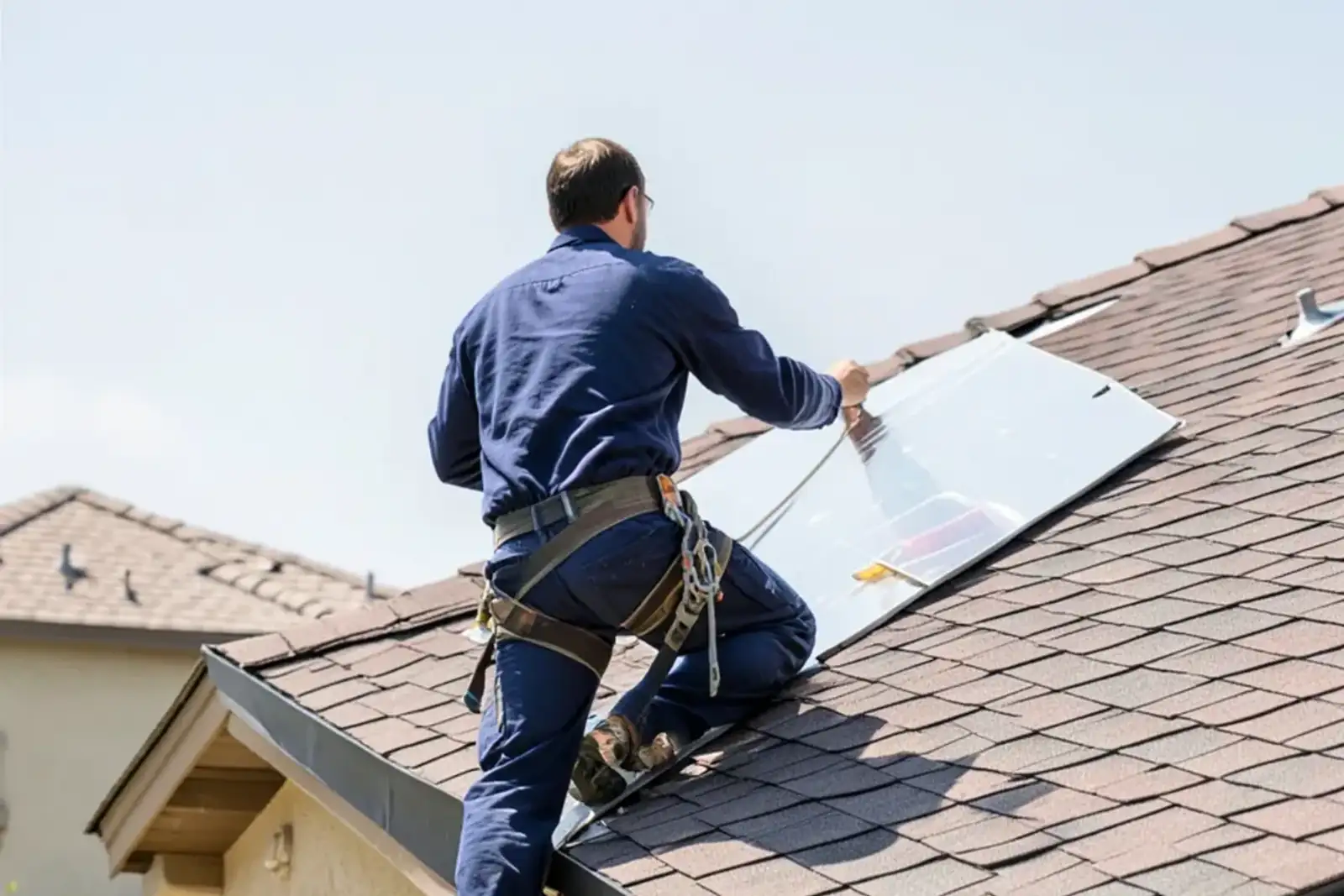
Sometimes, and the sourcing matters here. The US Department of Energy says some studies show a radiant barrier can reduce cooling costs by 5 to 10 percent in a warm, sunny climate, with more benefit when cooling ducts run through the attic. Oak Ridge National Laboratory adds that the gain shrinks a lot when the attic already has heavy insulation, and that little testing has been done in hot, arid climates like ours.
That points to a practical order of work. Fix airflow first, then check insulation depth, then ask whether a barrier adds anything. DOE also advises against laying a barrier directly on top of attic floor insulation, because dust and trapped moisture cut its performance. A radiant barrier is a decision for the attic, not a substitute for choosing a cool-rated roof surface.
What heat does to a roof over the years
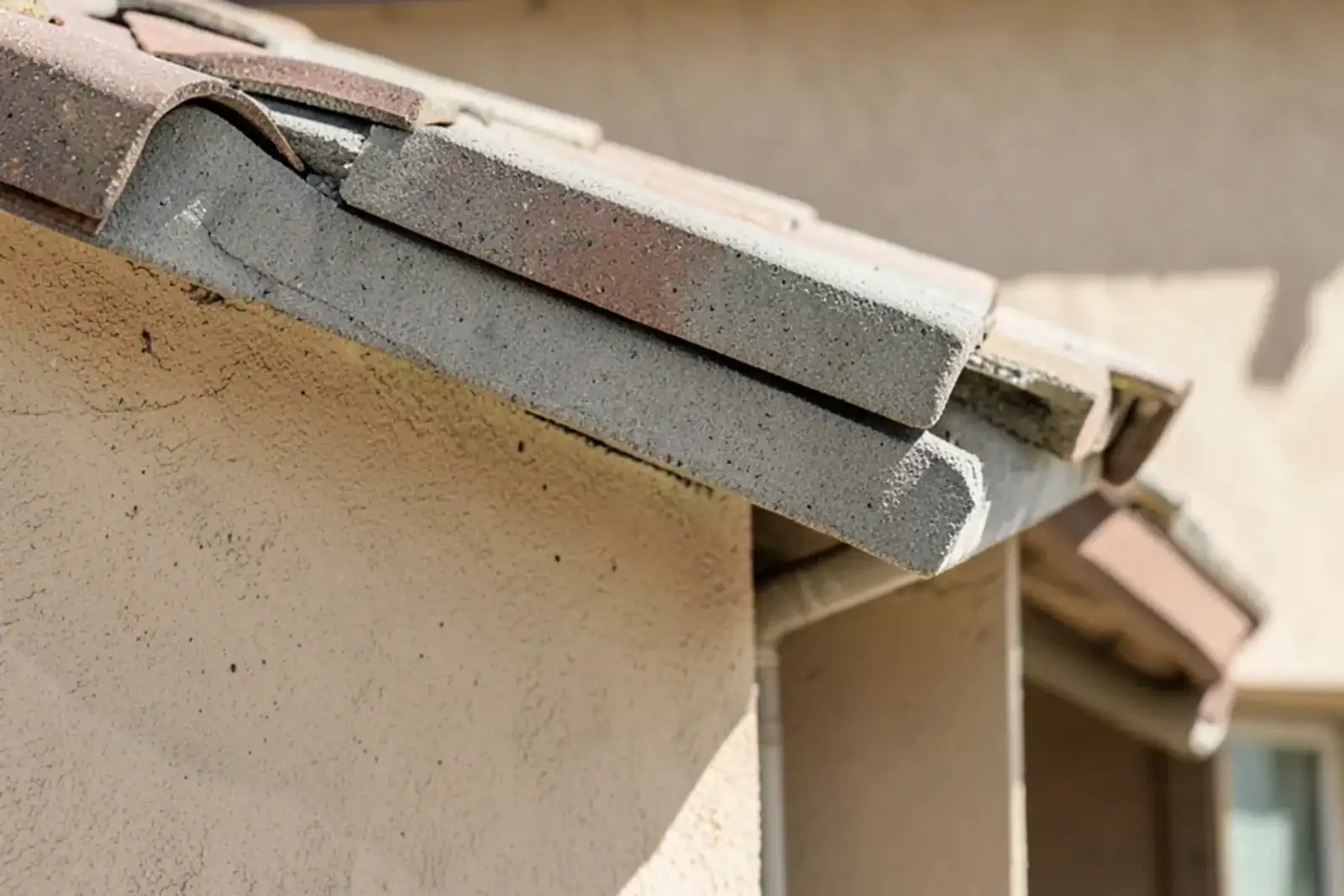
Heat ages a roof in quiet ways. Asphalt shingles lose granules and dry out, which shows up as curling edges and dark grit in the gutters. Rubber pipe boots crack. Sealant at flashings turns brittle. Underlayment, the layer under the visible roof, bakes and loses flexibility, which matters most under tile because you cannot see it.
None of that means a Valley roof is doomed. It means inspection matters more than it does on a cooler roof, and a quick look after each summer catches small failures before the first storm. Tile roofs are often the clearest example: the tile can outlast what sits beneath it, so renewing the underlayment is the real maintenance item.
Choosing a roof for hot, dry Valley summers
Narrow the choice with five questions:
- What is your slope? Low-slope sections need a different product than a pitched roof.
- What can your framing carry? Tile is heavy, and a switch needs a check.
- How long will you stay? Metal and tile often cost more at first and may last longer, but rated life governs.
- What does your neighborhood look like? Some associations restrict material and color.
- Do you want a rebate? Pick a listed product with a CRRC ID before buying.
Then compare estimates that name the same underlayment, ventilation and cool-rated product. A lower price that quietly drops the vent work is not the same job.
What working roofers weigh about Valley heat
Here is how we would talk it through on a hot-side roof, trade-offs included.
Light color is not free. A pale shingle runs cooler, but some owners dislike the look, and a neighborhood association may have a say. A mid-tone cool-rated shingle can be a fair compromise, and the CRRC listing tells you what you are buying. DOE notes a reflective roof could stay more than 50°F cooler than a conventional one under peak sun, but that is a best-case gap, not a promise for your house.
Tile is not a cure-all. The air gap helps, yet a tile roof is only as good as the underlayment beneath it, and that layer bakes where you cannot see it. We would rather see an owner renew underlayment on a sound tile roof than swap the covering for the wrong reason.
Metal sheds heat, with a catch. Reflective finishes work well in the sun, but metal expands and contracts through hot days and cool nights. Fastening and panel detail matter, and the price is higher up front. Reviewers in Van Nuys describe talking through standing seam against asphalt shingle before choosing.
Ventilation fixes get skipped. A cheaper bid often drops vent work. Compare the lines, not only the total, and see our Title 24 cool roof guide if a re-roof is on the table.
Next steps for a hot San Fernando Valley roof
Start with the attic, not the shingle sample. Look for hot, stale air, stained decking and blocked soffit vents, then photograph what you find. Note the roof's age, its slope and how often the cooling runs on summer afternoons.
Then ask for written estimates that name the roof covering with its CRRC listing, the underlayment and the ventilation. Reviewers in Van Nuys mention materials, colors and pros and cons explained, and shingle samples brought to the home. Our Burbank service area page covers what is different there, and our roofing materials section compares each option.
To talk through a hot-side roof, call (209) 563-1278 and we will set the earliest visit we can.
Quick answers
Is a light-colored roof worth it in the San Fernando Valley?
Often, yes. A lighter, cool-rated surface reflects more sunlight than a dark one, so the roof runs cooler on summer afternoons. Van Nuys averages about 77 days a year at 90°F or hotter, so the effect is felt for months. Savings depend on your attic, insulation and cooling, so treat any estimate with care.
Do tile roofs stay cooler than shingle roofs in the Valley?
Tile can run cooler because it sits above the deck with an air gap beneath it, and the tile itself is dense. It is not automatic. Color, underlayment and how the roof is installed all matter, and tile weighs far more than shingle. Have the framing checked before you plan on tile or a switch to it.
What shingle color holds up best against Valley sun?
Lighter colors and cool-rated shingles generally hold less heat and often show less visible fading, though results vary by product. Ask for the product's CRRC listing and the manufacturer's rated life in writing. Dark shingles remain a popular look, so bring samples home and compare them in full afternoon sun.
Does a radiant barrier help a Valley roof stay cooler?
It can help, mostly in the attic rather than on the roof surface. The US Department of Energy says some studies show a radiant barrier can cut cooling costs 5 to 10 percent in a warm, sunny climate, with more benefit when ducts run through the attic. Heavy attic insulation shrinks the gain, so have the attic assessed first.
Do I need to upgrade attic ventilation when I pick a new roof for Valley heat?
Usually you should check it, because a new roof is the cheapest moment to fix airflow. Intake at the soffits and exhaust near the ridge move hot air out of a Valley attic, and a blocked soffit undoes the whole system. Ask each Valley estimate to list vent work as its own line.