
Roof Replacement
Tear-Off vs Overlay: Which Is Right in California?
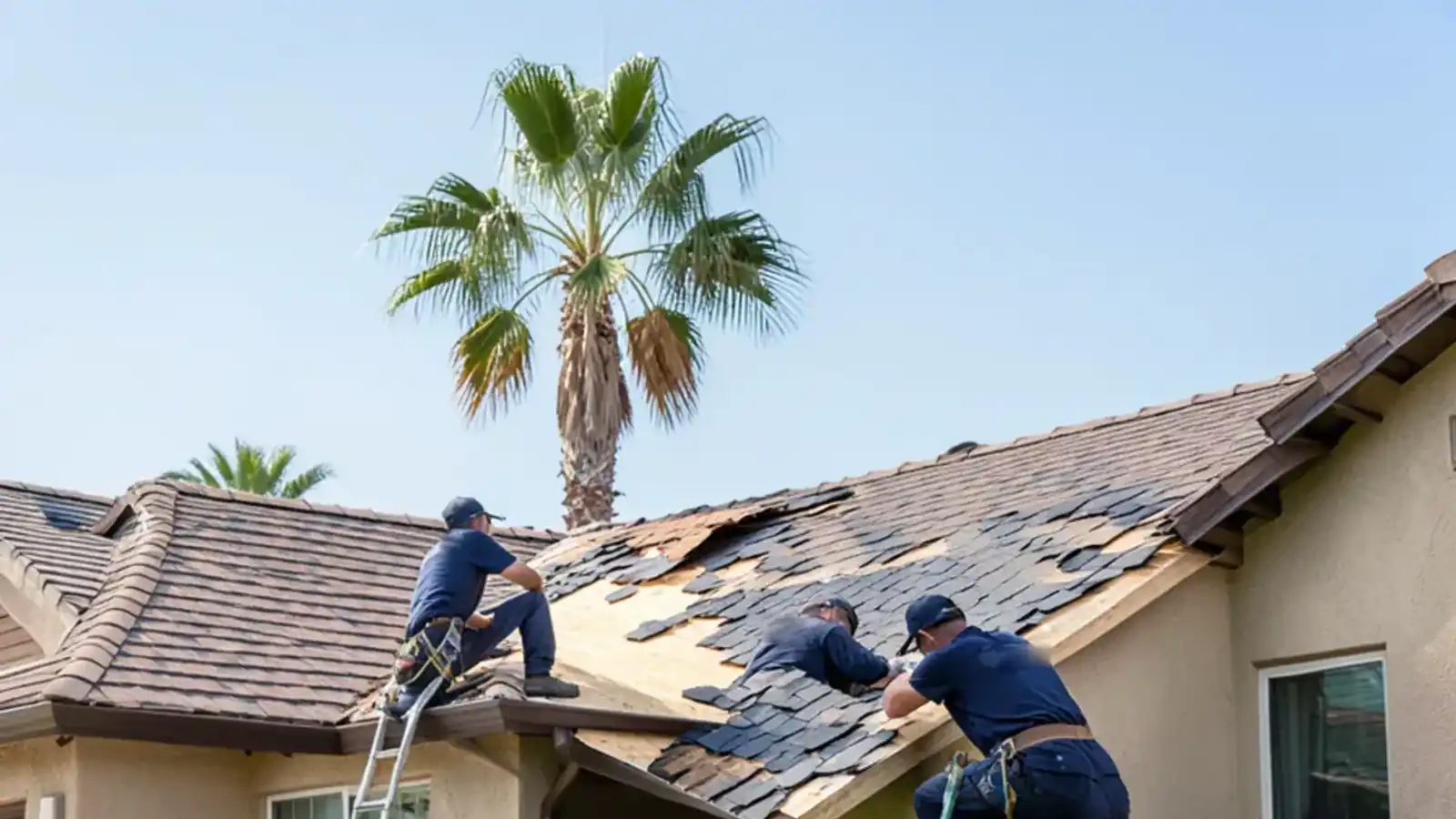
A tear-off strips the old roofing to the deck. An overlay lays new shingles over what is there. California's residential code does not allow an overlay on a roof that already has two applications, on a worn or water-soaked roof, or over tile. When both are allowed, a tear-off is usually the better long-term choice.
- ★ 4.9 on Google · 69 reviews
- Same-day or next-day bookings
- Based in Van Nuys, CA
Published and updated November 3, 2026 · By the Clear Shield Roofers team, Van Nuys, CA
On this page
- Where California allows an overlay and where it does not
- What an overlay hides from you
- What a full tear-off gets you
- How a tear-off day runs
- Does an overlay affect warranty terms or resale?
- The roofer's view: when an overlay is still the honest answer
- Comparing the price of a tear-off and an overlay
- Layers, tile and permits in Glendale
- How do you choose between a tear-off and an overlay?
- Common questions
Roof tear off vs overlay comes down to what is under the surface. A tear-off removes every old layer down to the plywood or boards. An overlay, called a roof recover in the code, puts a new layer over the old one. California limits when you can do the second.
An overlay is cheaper up front. A tear-off usually gives you a better roof, because it is the only way to see and fix what the old shingles were covering.
Where California allows an overlay and where it does not
California's residential code (R908) lists the cases where a recover is not permitted. The City of LA, county offices and other cities generally follow it, so check with your own building department.
| Situation | Overlay allowed? |
|---|---|
| One existing layer, sound and flat | Possible |
| Two or more existing applications | No |
| Roof is water-soaked or deteriorated | No |
| Existing roof is slate, clay or cement tile | No |
| Deck or framing problems | Fix first, so tear-off |
The code treats roof replacement as removal of existing layers down to the deck. An overlay is the exception, with limits. Even when it is allowed, it has to be right for the roof, not only legal.
What an overlay hides from you
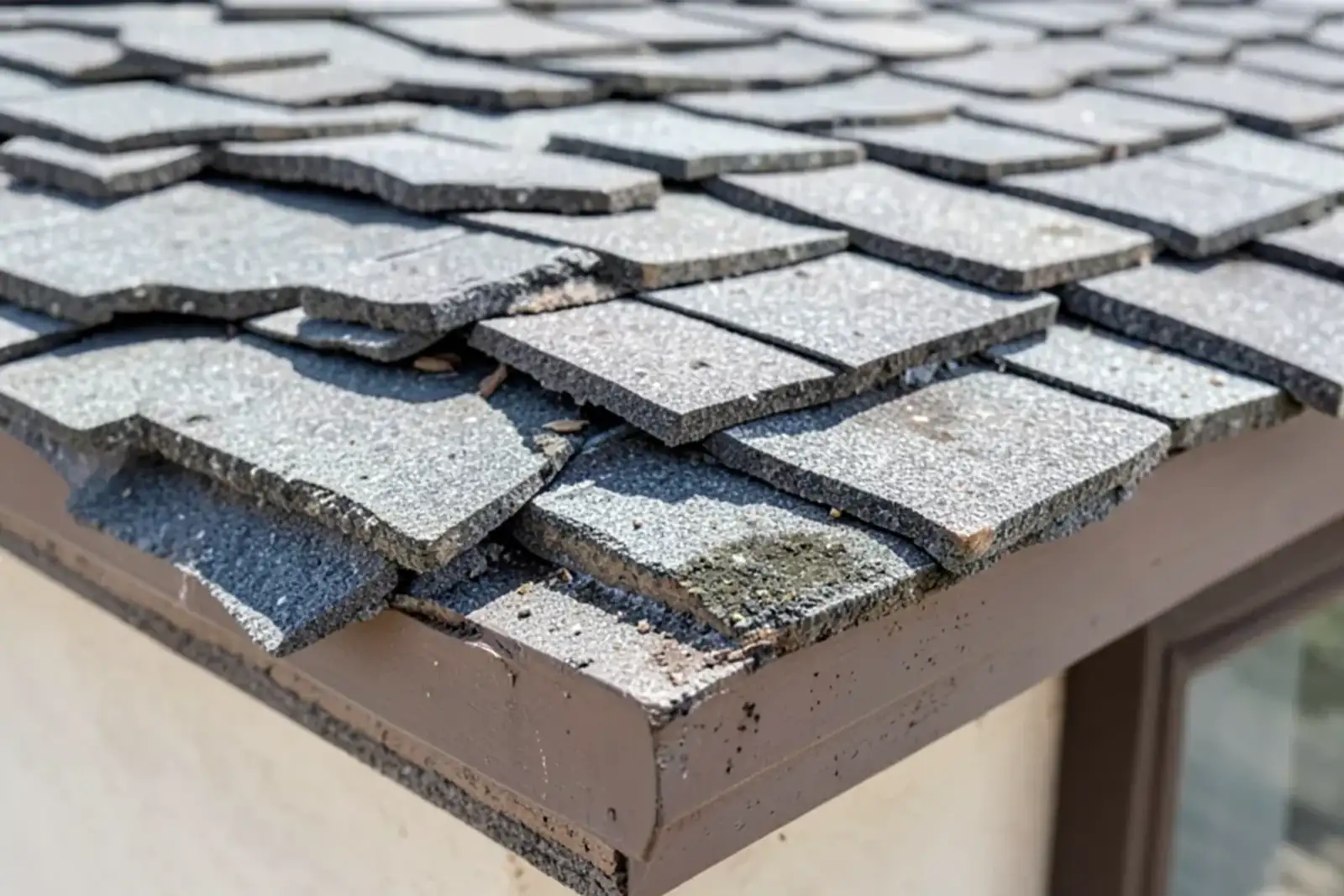
A second layer buries three things.
The deck. Nobody sees the plywood or boards. Soft spots, old leak damage and split boards stay under the new shingles. If the deck is bad, the new roof sits on a bad base.
The old flaws. Nails that popped, bumps and uneven courses telegraph up through the new layer. Shingles over a rough roof look rough and wear unevenly.
The edges. Drip edge and flashing have to be replaced or worked around, and a doubled edge often looks bulky. Walls and chimneys get less careful flashing because the old pieces are in the way.
An overlay also adds weight and traps heat in the attic, which matters on Valley homes where the temperature runs high. Van Nuys averages about 77 days a year at 90°F or hotter by NOAA normals.
What a full tear-off gets you
These are the reasons tear-off is usually the better call:
- A look at the deck, so rot gets fixed before it is covered
- New underlayment, which is the water barrier under the shingles
- New flashing and drip edge at walls, valleys and eaves
- A flatter, cleaner roof surface, which helps the new shingles lie correctly
- A clean record, because the next owner or roofer sees one layer, not three
Reviewers in Van Nuys describe plywood being replaced and explained to them first, and a damaged board being spotted early. That kind of find is the point of tearing off.
How a tear-off day runs
- Protect the property. Tarps go over plants and AC units, and the driveway is cleared for the bin.
- Strip the old roof. Shingles, felt and old fasteners come off in sections.
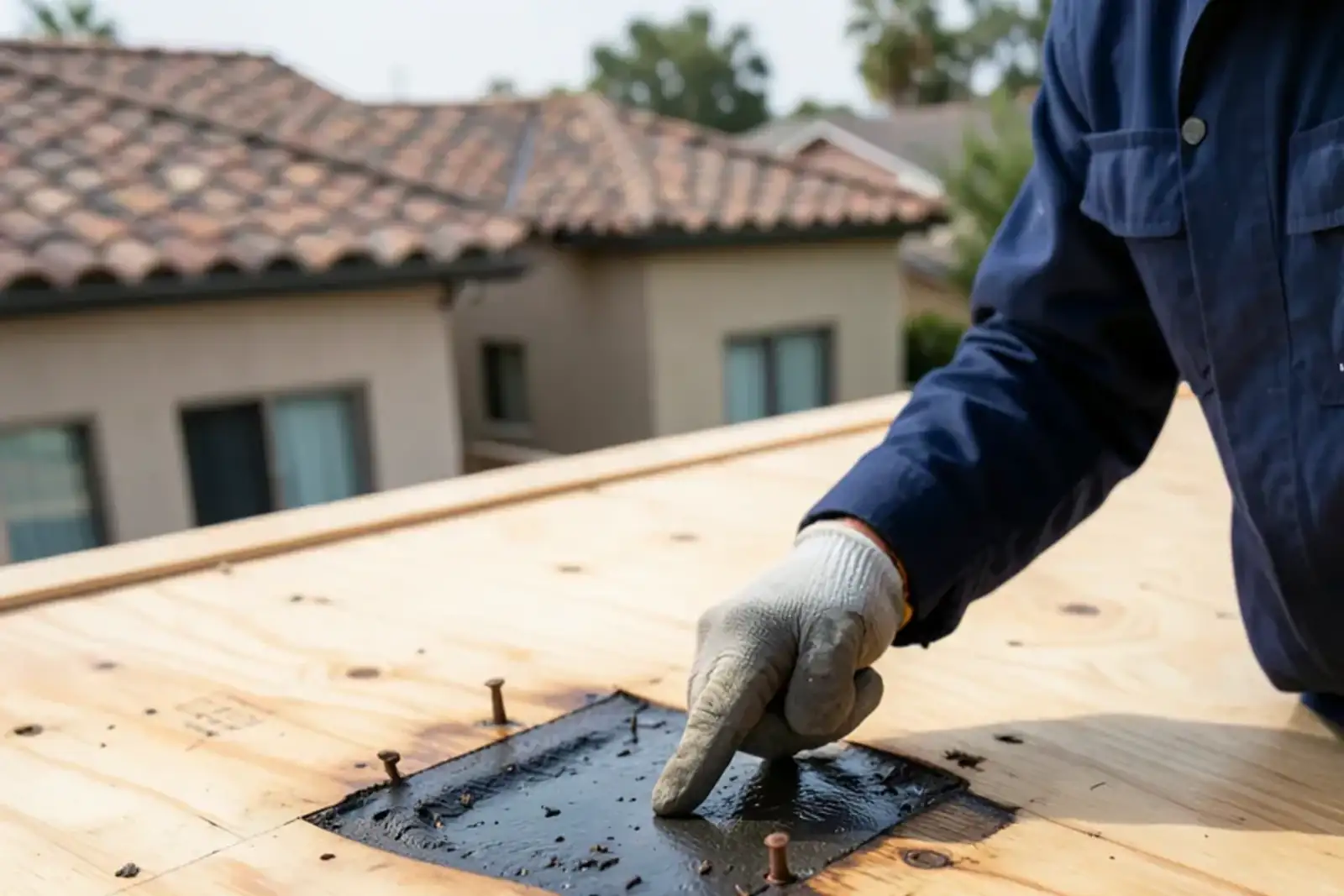
- Inspect and repair the deck. Bad boards get replaced, and we explain what we find before covering it.
- Dry in. New underlayment goes down the same day, section by section.
- Install the new roof. Flashing, drip edge and shingles follow.
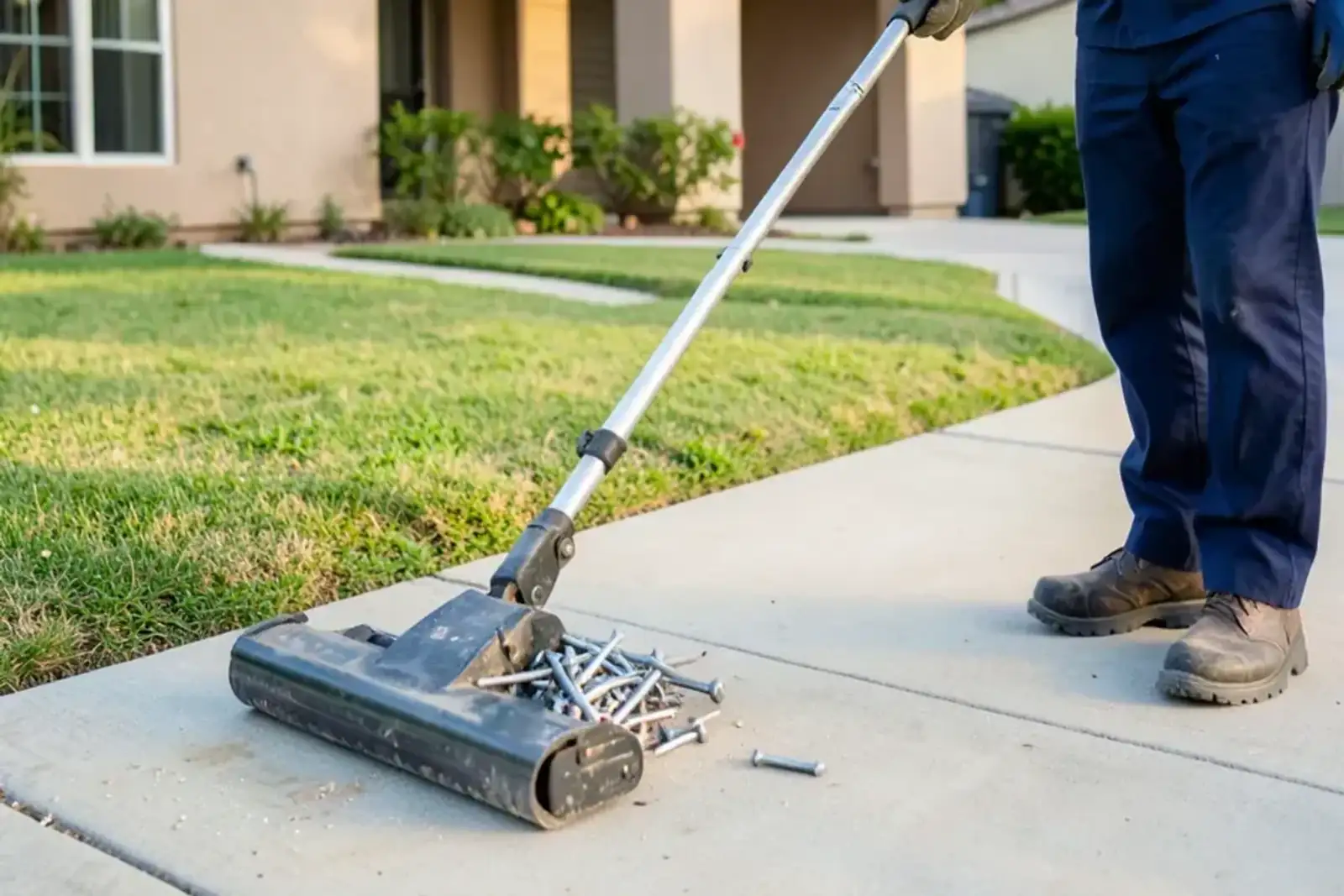
- Clean up. The yard gets swept and the ground gets a pass with a magnetic roller.
One Van Nuys customer describes a second pass with a magnetic roller to check for missed nails, and others describe thorough daily cleanup. We treat that sweep as part of the job.
Does an overlay affect warranty terms or resale?
It can. Roofing guides say some shingle makers limit or exclude coverage when their product goes over an existing layer. We cannot tell you what a given product's terms say, and they change, so read the manufacturer's warranty for the exact shingle you are considering and get the terms in writing. Do the same for any workmanship terms the contractor offers.
Buyers and their inspectors tend to ask how many layers are on a roof. A single new layer on a clean deck is easy to explain. A doubled stack that has to come off completely before the next owner can re-roof is a negotiating point. We would not promise a resale effect either way. What we can say is that a tear-off lets everyone see the deck, and an overlay does not.
Weight matters too. A second layer of shingles adds to the load the framing carries, and on an older house with long rafter spans that is one more reason to count layers before talking price.
The roofer's view: when an overlay is still the honest answer
We do not treat overlays as always wrong. If there is exactly one layer, the roof is flat and sound, the deck shows no sign of leaks and the owner needs a short-term fix before selling, an overlay can be a fair, legal choice where the building department allows it. The trade-off is clear: lower cost today, a harder tear-off tomorrow, and nothing seen of the deck.
We would push back when the roof has been leaking, when the shingles are curled or lumpy, when there are signs of attic moisture, or when the shingles are the second layer already. In those cases, an overlay is paying to cover a problem. We would also push back on any bid that does not say how the layers were counted and checked. A written scope that names the layer count, the deck plan and the flashing tells you the contractor looked.
Comparing the price of a tear-off and an overlay
Do not guess at the gap. Angi puts full roof replacement in Los Angeles at about $4 to $12 per square foot, with an average near $8.60, as of its November 2026 page. Your gap depends on how many layers the roof has, how much deck repair turns up and what disposal costs.
Ask each bidder to price both options from the same inspection. A good bid lists tear-off, deck repair, underlayment, flashing, permit and cleanup. Price an overlay as the short-term choice and a tear-off as the long-term one, because the next re-roof is where an overlay stops saving money. Get warranty terms in writing for either.
Layers, tile and permits in Glendale
Glendale is about 30 minutes and 15 miles from our Van Nuys base by our estimate. It is an independent city with its own building department, and Census ACS data puts its median home built in 1966. The Spanish Revival homes there often carry tile, which cannot be overlaid under the state code, so tear-off or lift-and-relay is the only path.
Some older roofing can contain asbestos, so a roof with suspect material is worth lab testing before it comes off. Our roof tear-off and re-roofing pages go through each path, and the roof replacement overview covers the rest.
How do you choose between a tear-off and an overlay?
Work through this checklist before you sign:
- Count the layers at the eave and rake, or ask for photos of the edge
- Check the attic for stains, daylight or damp insulation
- Ask the building department what it requires for your address
- Get both options priced from one inspection, in writing
- Read the shingle maker's terms for an overlay before agreeing
If the answers point to tear-off, you will know why. To have the edges and attic checked, call (209) 563-1278 and we will set the earliest visit we can.
Quick answers
How many layers of shingles can a California roof have?
California's residential code does not allow a new roof over a roof that already has two applications of roof covering. So a house with two layers needs a full tear-off. You can often count layers at the eave or rake edge, where the stack shows. If you are not sure, ask your roofer to check before you compare overlay and tear-off prices.
Is an overlay cheaper than a tear-off in Los Angeles?
Up front, usually, because it skips removal and disposal labor. Over the life of the roof it can cost more, since problems under the new shingles stay hidden and an eventual tear-off then involves two layers. Ask each bidder for both prices from the same inspection so the comparison is fair and written down.
Do tear-off rules differ in Glendale from the City of Los Angeles?
The state code on layers is the same, but permit handling is not. Glendale runs its own building department, separate from LADBS, so the process and paperwork can differ. Glendale has many Spanish Revival homes with tile, and tile cannot be overlaid under the state code. Ask the contract to name who pulls the permit and with which agency.