
Flat Roofing
Roof Coating vs Replacement: Which Makes Sense?
Roof coating vs roof replacement depends on one question, whether the roof underneath is sound and dry. A coating can add years to a roof that is intact. It cannot fix wet insulation, open seams or a rotted deck, and on those roofs replacement is the honest answer.
- ★ 4.9 on Google · 69 reviews
- Same-day or next-day bookings
- Based in Van Nuys, CA
Published and updated November 3, 2026 · By the Clear Shield Roofers team, Van Nuys, CA
On this page
- Roof coating vs roof replacement: the dry-roof test
- Signs a coating still makes sense
- Signs a coating would only hide the problem
- How is a flat roof checked for trapped moisture?
- What a careful coating job includes
- How we would size up your roof
- The roofer's view: where coating goes wrong
- Rules and timing that can tip the decision
- Burbank roofs and the mixed-slope question
- How do you decide between coating and replacement in five steps?
- Common questions
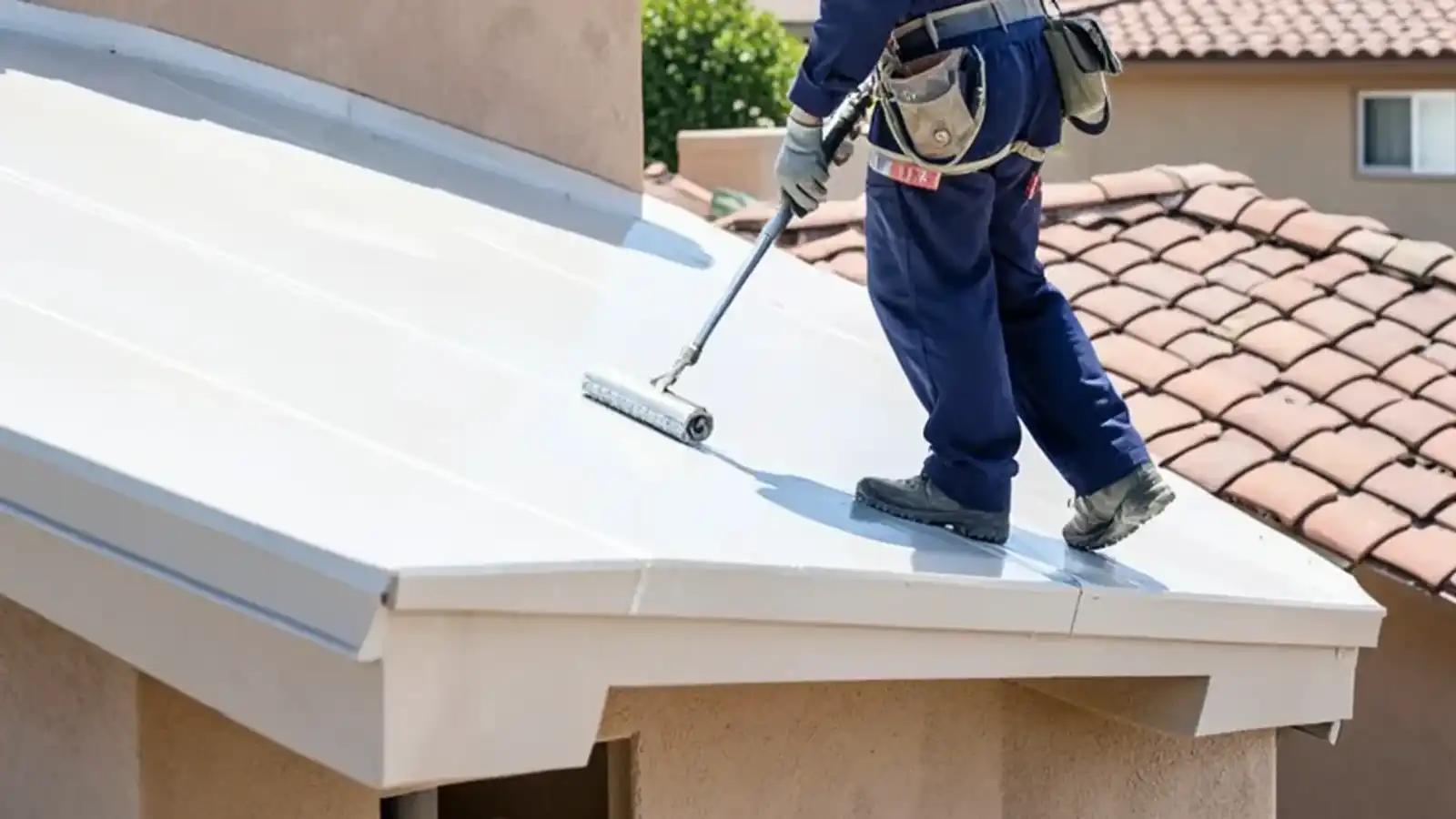
A coating is a protective skin over an existing roof. It reflects sun, seals hairline cracks and can push a worn but dry roof several years further. Replacement starts over from the deck.
Both are real answers, for different roofs. Before you decide, it helps to know where your flat roofing system sits, and how to tell. Our roof coating page explains the process, and this one helps you choose.
Roof coating vs roof replacement: the dry-roof test
Coating works when the roof beneath it is dry and intact. Replacement works when it is not. Everything else is detail.
Moisture is the hinge. Water trapped in insulation does not leave because you painted the top, and it will push against the new coating as vapor in the heat. A roof can look fine and still be soaked below.
So the first job is finding out. Surface checks look for blisters, soft spots and failed seams. A moisture scan or small test cuts can show what is under the surface. Without that answer, a coating quote is a guess.
Signs a coating still makes sense
A coating tends to suit a roof with these traits:
- Dry insulation and deck: confirmed by scan or test cuts, not by looks alone
- Sound seams and flashing: or minor defects that can be repaired first
- Minor surface wear: chalking, light cracking, faded color
- Little or no ponding: standing water shortens the life of most coatings
- Plenty of roof left: the system underneath is not at the end of its life
A coating also helps with heat. Reflective coatings are made to bounce sun, and Van Nuys averages about 77 days a year at 90°F or hotter by NOAA's normals. LADWP residential customers may qualify for a cool roof rebate, with funding limited, so check ladwp.com/crp before you buy. Burbank runs its own municipal utility, so ask yours what it offers.
Signs a coating would only hide the problem
Replace, or at least open the roof up, when you see these:
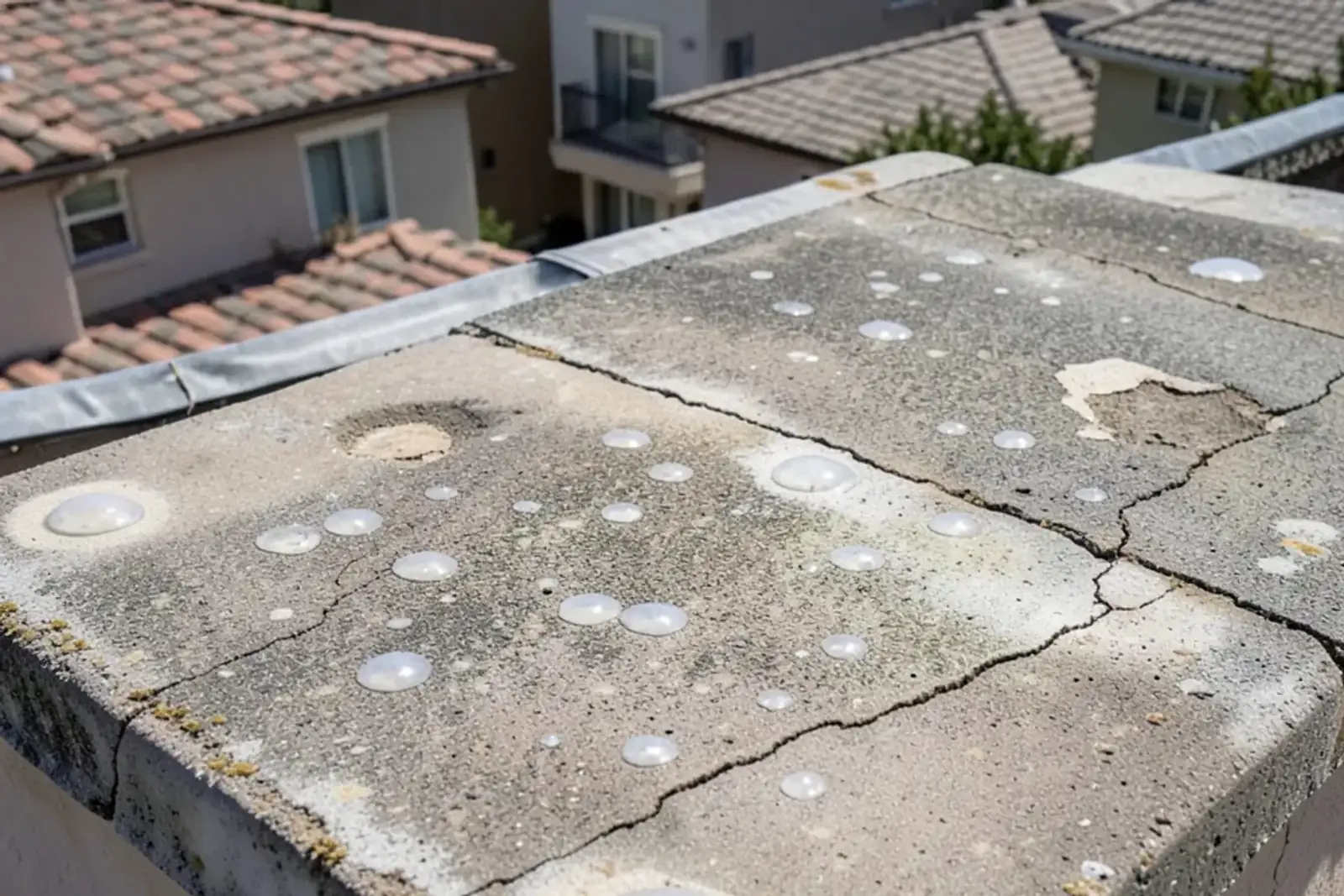
- Wet insulation: soft or spongy spots, or moisture readings across a wide area
- Widespread blisters or open seams: the membrane has lost its bond
- Repeated leaks: new spots after each repair
- Ponding that will not drain: the slope is wrong and a coating does not add slope
- Rotted or sagging deck: structural, not surface
- Too many layers: California's residential code does not allow a new roof over one with two applications or over a deteriorated roof
A coating over any of these looks good for a season. Then the problem returns, now under a layer that makes it harder to find.
How is a flat roof checked for trapped moisture?
A moisture survey is the step that separates a good coating bid from a guess. The usual first pass is an infrared scan, which reads temperature differences across the roof and flags areas that hold heat differently. The standard practice behind it is ASTM C1153. Infrared does not measure water directly, so suspect spots are confirmed with a moisture meter, a probe or a small core cut that is patched at once.
The scan works best in the evening after a sunny day, when wet insulation releases heat more slowly than dry. That is a job for the right equipment and the right hour, not a casual look. Ask any contractor how they will test the roof and what they will do with the results. If only a small area is wet, a targeted cut-out and patch, then a coating, can make sense. If wet insulation is widespread or the deck is soft, replacement is the honest answer.
What a careful coating job includes
The coating is the quick part. The prep is where roofs are won or lost.
Done right, the work runs: trace and repair every leak, clean and prime the surface, reinforce seams and details, then roll or spray the coating at the thickness the maker specifies. One customer in Van Nuys describes a roof coating going on after a leak repair, and another reviewer mentions leaks traced before coating. That order is the point. Coating first and hunting leaks later is backwards.
How we would size up your roof
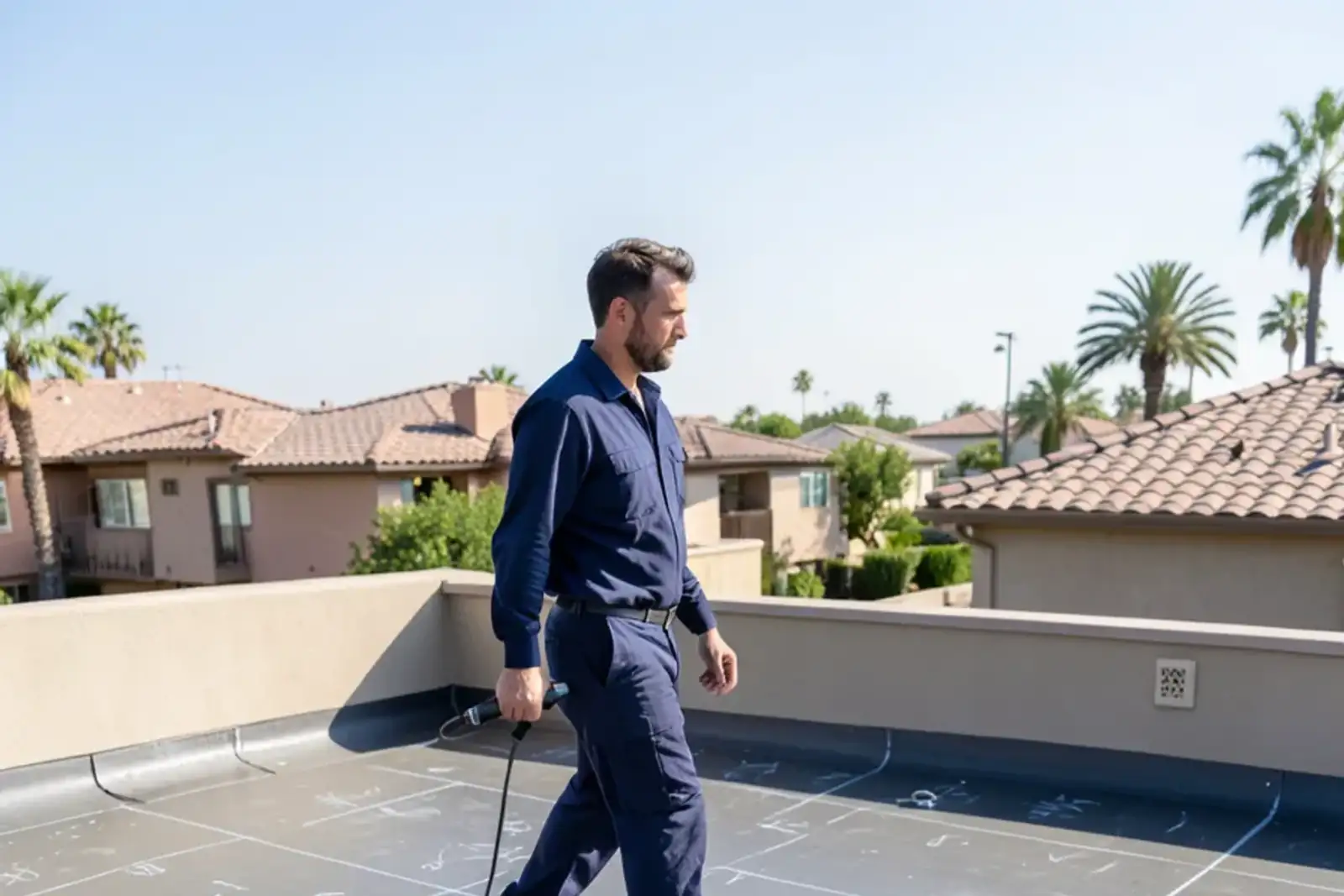
We would walk the roof, look at the surface and the details, and check the drains and slope. If the roof looks like a candidate, we would recommend a moisture check before pricing a coating. If it is clearly past that point, we would say so and show you why.
You would get the options in writing: repair, coat, or replace, with what each includes and leaves out. Ask each contractor how the roof will be tested, what prep is included and what thickness is specified. Also ask for the maker's terms in writing, and for the cool roof product listing if your project is covered.
The roofer's view: where coating goes wrong
The failures we would warn about are all prep failures. The roof was coated over wet insulation. The seams were not reinforced. Ponded areas were coated as if they would stay dry. Or a thin coat was put on a roof that needed the maker's full thickness. Each looks fine the week after the job.
Coating is a good deal when it is the right roof, and a poor one when it is bought to avoid a bigger bill. The honest trade-off is simple: a coating costs less now and extends a sound roof, but it does not add slope, dry insulation or repair a deck. If you are on a second or third coating already, ask what is under it before you pay for another.
We would also say no to a coating when the real issue is a handful of failed flashings. A repair may solve it, and a coating over open flashing only covers the leak. Our flat roofing page covers the repair side.
Rules and timing that can tip the decision
Coating a roof is usually simpler on paperwork than tearing one off, but rules still apply. In Los Angeles, a roof replacement covering more than half the roof must use a cool-roof-rated product, and requirements depend on slope and climate zone. Ask your city's building department whether a coating counts under its rules, since cities run their own offices.
Timing matters. Coatings need dry weather and curing time, and roofs should be dry before work starts. Rainy months from December through March are the wrong time to start.
Burbank roofs and the mixed-slope question
Many 1940s and 50s homes in Burbank have low-pitch roof sections beside conventional pitched ones, and Census ACS puts the median home there as built in 1959. A coating may suit the flat sections while the pitched sections are shingle and need a different plan.
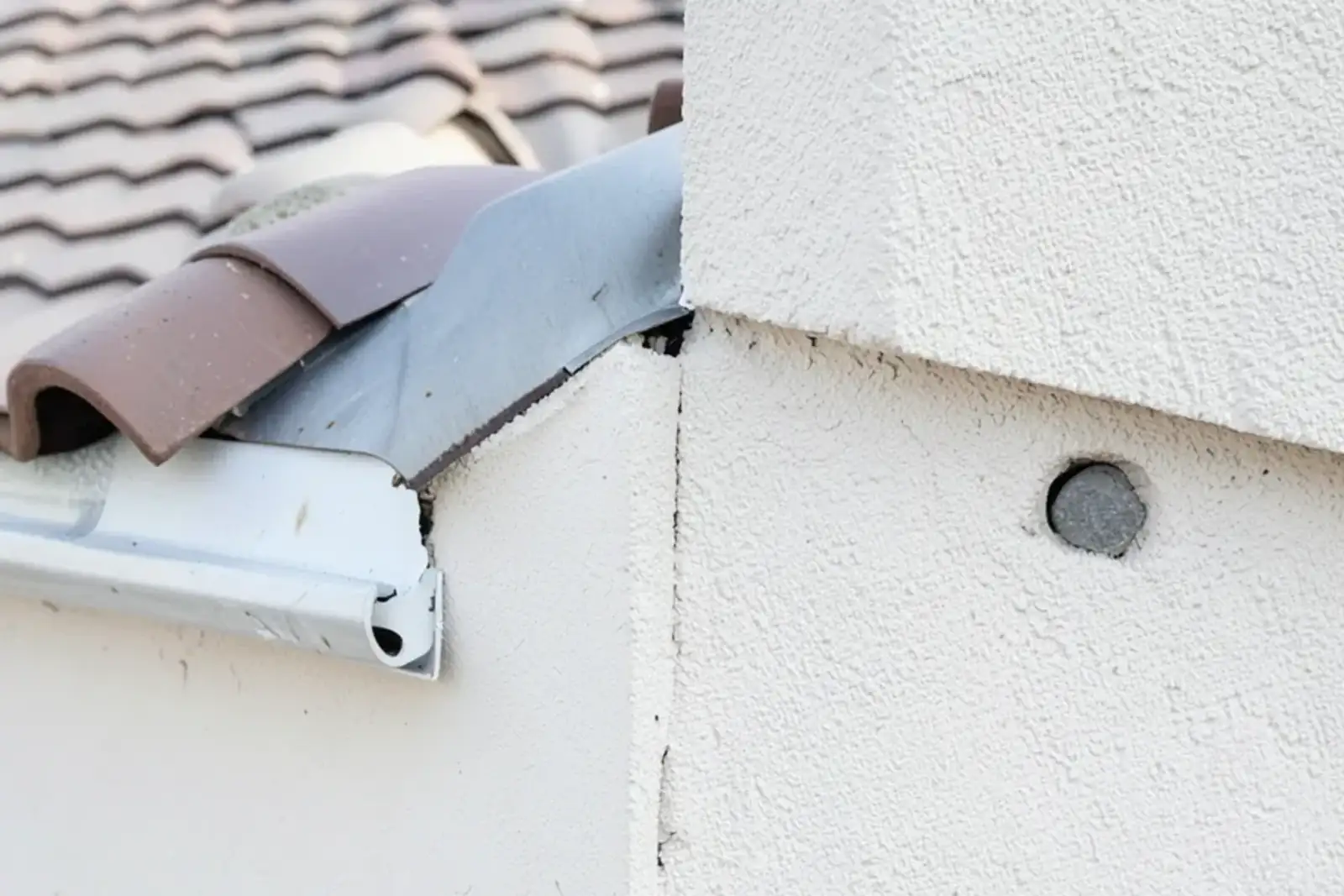
That split is common on older ranch homes with additions. Decide each roof section on its own condition, and do not let one price cover both without knowing why.
How do you decide between coating and replacement in five steps?
- Trace and photograph every leak and ceiling stain, with dates.
- Have the roof scanned and probed for wet insulation before any coating is priced.
- Mark ponding spots, since they shorten coating life and may point to a drainage fix.
- Ask for repair, coating and replacement quoted in writing on the same scope.
- Compare the totals against how many years the existing roof still has.
If the scan comes back dry and the seams are sound, a coating is worth pricing. To get the roof looked at, call (209) 563-1278 and we will set the earliest visit we can.
Quick answers
Is roof coating worth it on a low-slope Burbank home?
It can be, if the roof is dry and the leaks have been traced and fixed first. Many Burbank ranch homes from the 1940s and 50s have low-pitch roof sections where a coating makes sense. If the decking is soft or the insulation is wet, the money belongs in repair or replacement instead.
How long does a silicone roof coating last?
Rough ranges run from about ten years to well past that, depending on thickness, sun exposure and ponding. Ponded areas wear out first because many coatings do not like standing water. The manufacturer's rated life for the specific product governs, so ask for it in writing before you commit.
Can you coat over asphalt shingles?
Generally no. Coatings are made for flat and low-slope roofs, and shingles shed water by overlap, not by a continuous skin. A coating over shingles can trap moisture and make later repairs harder. If shingles are worn, the usual answers are repair or replacement, depending on layers and deck condition.